


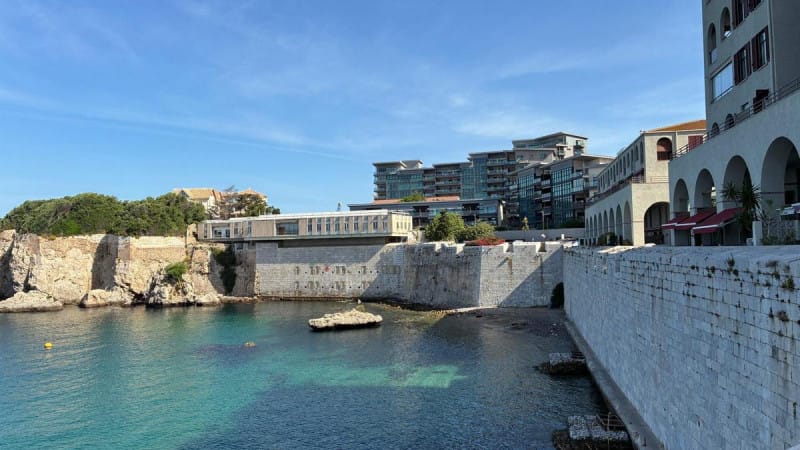
What building quality, management standards and lifestyle trade-offs reveal about long-term property performance on the Rock.
Why Long-Term Property Quality Matters in Gibraltar
At a glance: Some Gibraltar developments retain their appeal and value far better than others over time. Long-term property quality is influenced by management standards, environmental exposure, communal upkeep, design practicality, resident profile and how well a building adapts to Gibraltar’s unique conditions.
Not all Gibraltar property ages in the same way. Two developments can be built only a few years apart, sit within walking distance of each other, and still feel completely different after a decade. One may look clean, well-run and still desirable, while another may already feel tired, poorly maintained or expensive to maintain.
That difference is rarely accidental.
In a compact market like Gibraltar, where land is limited and apartment living dominates, the long-term quality of a development matters just as much as the view, postcode or floor level.
This is especially important because Gibraltar buyers often have to compromise. Unlike larger countries where buyers may expect generous space, private gardens and plentiful parking, Gibraltar forces more careful trade-offs. You may get the view but not the parking. You may get the city-centre convenience but not the outdoor space. You may get the pool and gym but also higher service charges.
That is why judging a development properly means looking beyond the glossy brochure or first viewing.
Gibraltar’s Property Market Is Small, But Not Uniform
Although Gibraltar is geographically small, its housing stock is surprisingly varied.
Within a short distance, buyers can move from traditional Upper Town homes to mid-century apartment blocks, marina developments, reclaimed waterfront schemes, family-oriented estates and newer high-rise projects.
Each type of development was built for a different era, a different buyer and a different set of priorities.
Older homes in areas such as the Town Area and Upper Town often appeal because of their character, ceiling heights, thicker walls and individuality. Many were not designed around modern amenities, but they often offer proportions that are difficult to find in newer schemes.
Post-war apartment blocks, meanwhile, focused more heavily on practicality and housing supply. They may not always appear glamorous, but many continue to offer excellent internal space and straightforward layouts.
More recent marina and waterfront developments introduced a different style of living focused on:
- parking;
- lifts;
- pools and gyms;
- concierge services;
- balconies and views;
- and modern communal facilities.
These developments can be extremely attractive, particularly for professionals, investors and relocating buyers, but they also introduce more systems and amenities that require long-term maintenance.
For broader context, see our Gibraltar property market guide.
Why Gibraltar’s Climate Matters
One of the biggest influences on Gibraltar property quality is the local environment itself.
Humidity, salt air, seasonal rain, strong sun and the Levante wind all place pressure on residential buildings over time. Waterfront and highly exposed developments generally require more proactive maintenance than sheltered inland properties.
Salt exposure can affect:
- railings and metalwork;
- windows and seals;
- external finishes;
- air-conditioning systems;
- and communal infrastructure.
Sun exposure also matters. West-facing apartments may benefit from beautiful afternoon light, but intense heat can affect cooling efficiency, glazing performance and external materials if buildings are not properly designed or maintained.
This helps explain why two developments of a similar age can sometimes present very differently after only a decade or two.
Why Management Quality Makes Such a Difference
If there is one hidden factor that separates developments that age well from those that gradually decline, it is management quality.
In Gibraltar, communal areas experience heavy daily use. Lifts, entrances, pools, façades, parking areas, gyms and security systems all require consistent upkeep.
A well-managed development often feels different immediately. The entrance is clean, lighting works properly, repairs are handled quickly and communal areas feel organised rather than neglected.
This operational consistency directly influences:
- tenant appeal;
- owner confidence;
- resale desirability;
- and long-term perception of the building.
Poor management creates the opposite effect. Small issues remain unresolved, communal areas deteriorate and maintenance costs often rise later because preventative work was delayed.
In a compact market like Gibraltar, where reputation spreads quickly, management quality matters enormously.
Our Gibraltar rental market guide explores how management standards increasingly affect tenant demand and rental resilience.
Service Charges Are About More Than Cost
Service charges are often misunderstood.
Many buyers naturally prefer lower monthly costs, but in apartment developments service charges are not simply an expense. In many cases, they are part of the building’s long-term protection.
A very low service charge can sometimes create problems if it means the development is underfunded for future maintenance.
Buildings with:
- lifts;
- pools;
- parking systems;
- concierge services;
- or exposed waterfront façades
will naturally require more upkeep than simpler residential blocks.
The better question is not simply “Is the service charge low?” but rather:
“Is the service charge realistic for what the building requires?”
Well-managed developments usually justify their charges through visible maintenance, reliable communal systems and stronger long-term presentation.
Communal Areas Tell a Story
Communal areas are often one of the clearest indicators of how a development is ageing.
Before even entering an apartment, buyers can learn a great deal by observing:
- entrance quality;
- lighting;
- lift condition;
- parking organisation;
- corridor upkeep;
- and general cleanliness.
A well-maintained communal environment usually suggests stronger management, clearer standards and more engaged ownership.
Equally, neglected communal areas can weaken even a very attractive apartment.
In Gibraltar, buyers do not simply purchase a flat. They buy into the wider building and its long-term condition.
Resident Profile Also Influences How Buildings Age
The way residents use a building can also influence how well it performs over time.
Developments with a high proportion of long-term owner-occupiers often develop stronger communal responsibility. Residents are more likely to support maintenance, report issues quickly and care about the wider condition of the building.
Buildings with higher tenant turnover can still perform extremely well, particularly in strong rental locations, but they may experience heavier communal wear through more frequent move-ins, move-outs and daily usage.
This does not make one model better than another. Some rental-led developments are exceptionally successful because they are professionally managed and designed for higher occupancy.
The key is whether the management structure and maintenance standards match the rhythm of the building itself.
Older Space Versus Modern Convenience
One of the most interesting trade-offs in Gibraltar property is the balance between older space and modern convenience.
| Older Properties | Modern Developments |
|---|---|
| Larger layouts | More amenities |
| Character and individuality | Parking and lifts |
| Higher ceilings | Pools and gyms |
| Potentially lower service charges | Energy efficiency |
| More maintenance responsibility | Lower-maintenance living |
Neither approach is automatically better. The right fit depends on lifestyle priorities, investment goals and daily practicality.
Buyers exploring the Eastside of Gibraltar may prioritise amenities and modern layouts, while buyers in the South District or Upper Town may place greater value on space, individuality and long-term character.
How Buyers Should Judge a Development
When viewing Gibraltar property, buyers should look beyond the apartment itself.
The building around the property often has a major influence on long-term satisfaction and future resale performance.
Practical questions matter:
- How old is the building?
- What maintenance has been completed recently?
- Are major works expected?
- How realistic are the service charges?
- Are reserve funds in place?
- How well are communal areas maintained?
It also helps to visit developments at different times of day. Sun exposure, noise, parking pressure and communal activity can vary considerably between morning, afternoon and evening.
Gibraltar may be small, but micro-location still matters.
Final Thoughts
Some Gibraltar developments age better than others because property quality is influenced by far more than age or appearance alone.
Long-term desirability is shaped by:
- design;
- environmental exposure;
- maintenance standards;
- management quality;
- resident behaviour;
- and practical day-to-day usability.
A newer development is not automatically better, and an older building is not automatically outdated.
The developments that tend to perform best over time are usually those that balance practicality, durability, management and realistic long-term maintenance.
For buyers, landlords and investors, understanding how Gibraltar developments age can provide a much clearer picture of long-term property quality beyond surface appearance alone.
For related reading, explore our guides to:


